
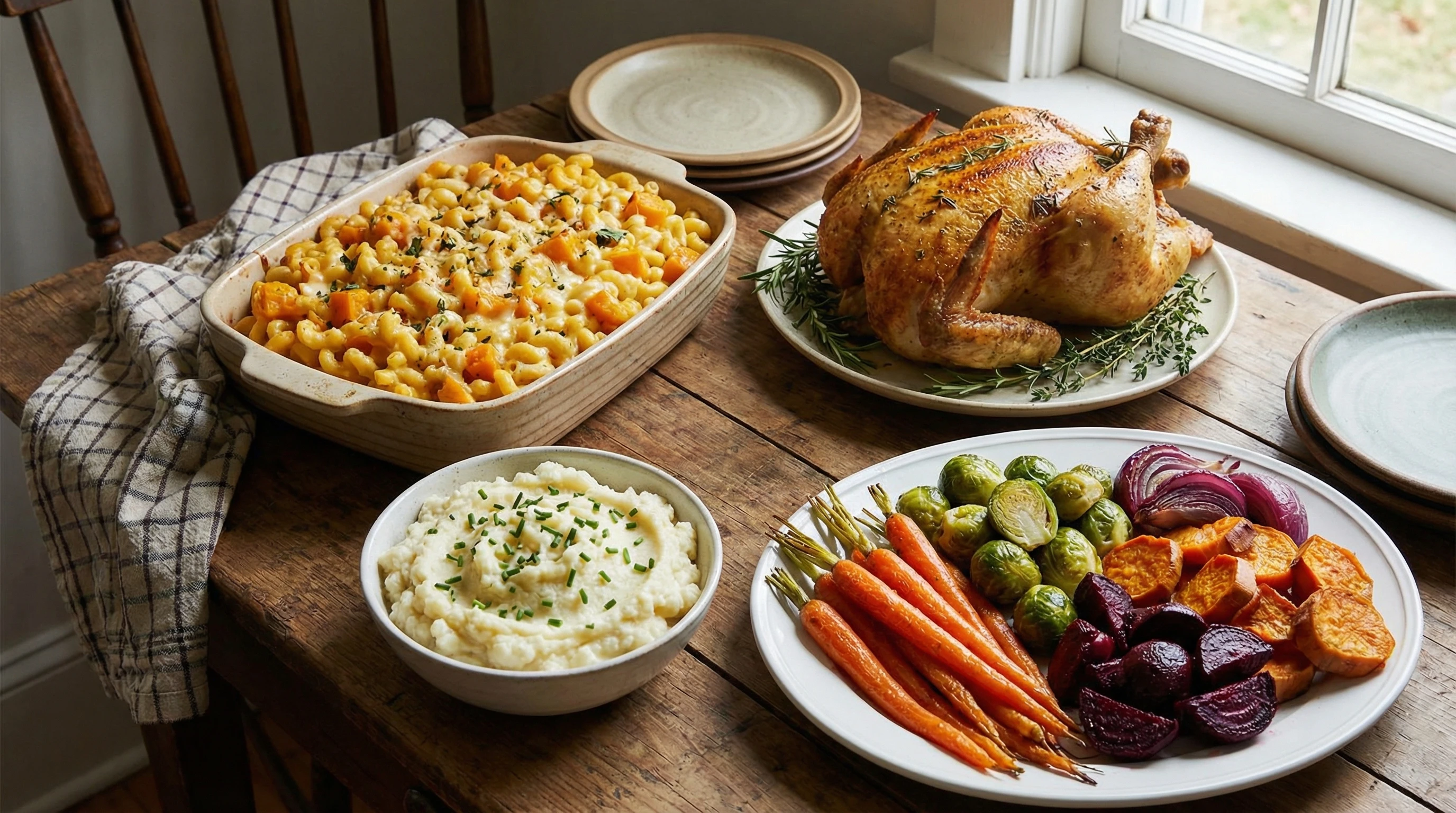
If you enjoy classic mac and cheese, meatloaf, fried chicken, or mashed potatoes, you’re not alone. Comfort foods have a way of taking us back to special memories or simply making a long day better. The catch? A lot of classic recipes are loaded with butter, cream, sugar, or refined grains. While that’s perfectly fine once in a while, eating these dishes regularly can sometimes bump up your intake of saturated fat, sodium, and simple carbs. The awesome news is that you can tweak comfort food recipes to boost nutrition while still keeping all those nostalgic, cozy flavors.
Why Comfort Foods Matter, and How Small Changes Help
Comfort foods aren’t just about cravings; they’re about emotions, routines, and personal history. Making healthier versions doesn’t mean ditching your favorites. It’s more about little tweaks that boost nutritional value without losing any of that homey feeling. Finding ways to enjoy your favorites with just a few simple swaps often makes it much easier to stay consistent, especially if you’re looking to eat better long term.
Foods like mac and cheese or pizza can definitely be part of a balanced approach. The trick is to keep flavors big, portions reasonable, and nutrients balanced. I’ve found that feeling satisfied and connected to what I’m eating is half the battle on busy weeks, so adjustments really do go a long way.
Getting Started: Handy Healthy Swaps for Classic Dishes
You don’t have to be a chef to start tweaking recipes. Some switches are so simple you might wonder why you didn’t try them sooner. Here are some easy swaps to try:
- Use Whole Grains: Swap out white pasta or rice for whole wheat, brown rice, or even farro. These options add fiber and keep you fuller longer. Protein pasta are also a great option now in most grocery stores.
- Lighter Dairy: Go for reduced fat milk, Greek yogurt, or low-fat cheeses to cut back on saturated fat but keep things creamy.
- Veggie Boost: Fold in diced carrots, spinach, peas, or cauliflower for extra color and nutrients. Mac and cheese with peas or spinach mixed in is super tasty.
- Lean Proteins: Try ground turkey or chicken instead of ground beef in chili, casseroles, or meatloaf. Skinless chicken or fish also works great in fried or baked dishes.
- Healthier Cooking Methods: Baked, roasted, or air-fried foods give you that crispy, crave-able texture without the extra oil from deep frying.
Trying one swap at a time is a good way to ease new flavors or textures into your routine. Even one or two changes can improve nutrition a lot. This approach also helps those who aren’t fans of drastic changes, making it easier to get used to the new tastes and textures that come with healthier tweaks. If you’re cooking for a family or friends, ask their opinion and make notes of what works and what might need adjusting next time.
Step-by-Step Makeovers for Popular Comfort Foods
Some dishes just scream comfort, like lasagna, mashed potatoes, or chicken pot pie. Here’s how I usually refresh a few favorites at home, with some quick tips for each one.
- Mac and Cheese: Use whole grain pasta, mix in steamed broccoli or cauliflower, add creamy but reduced fat milk, and sprinkle just enough sharp cheddar for strong flavor. A dash of smoked paprika or mustard powder is a flavor booster. You can even add protein booster powder.
- Meatloaf: Use lean ground turkey or a half and half mix with beef, toss in veggies like shredded carrots or zucchini, use oats instead of breadcrumbs, and go light on ketchup based glazes.
- Mashed Potatoes: Swap half the potatoes for steamed cauliflower, mash with Greek yogurt or olive oil instead of tons of butter, and season well with garlic, pepper, or herbs.
- Chicken Pot Pie: Skip the double crust and just top with a light, whole grain biscuit layer. Load up the filling with extra veggies and a lighter sauce (try evaporated milk or a low sodium broth blend).
- Pizza: Use a whole wheat or cauliflower crust, pile on veggies, use low-fat mozzarella, and bake instead of loading up with greasy toppings.
It’s completely normal to try small changes and see what fits best with your taste. Sometimes only one tweak is enough to make a comfort food more balanced, so you don’t lose the dish’s classic spirit. If you’re feeling adventurous, test out new spices or seasonal vegetables to change up the ingredients and keep things fresh. That way, you get to keep exploring while still getting the flavors and textures you love from your go-to comfort foods. Getting feedback from family or friends is helpful if you’re making these switches together—teamwork in the kitchen can make the process more fun and less intimidating.
Common Pitfalls and How to Avoid Them
Trying to make comfort foods healthier sometimes leads to meals that feel bland or unsatisfying. Here are a few common traps and how you can steer clear of them:
- Going Too Light Too Fast: If you switch out every single ingredient at once or cut out salt and fat entirely, the dish usually won’t taste the same. Minor changes are easier to stick with.
- Forgetting About Texture: The crispy top on a baked casserole or the creamy sauce in pasta dishes is what makes them special. Try lightly toasting breadcrumbs on top or using Greek yogurt for creaminess so you keep that texture.
- Skipping Seasoning: Fresh herbs, spices, garlic, citrus zest, or a splash of vinegar can wake up a recipe that’s missing some zip. Cooking healthier doesn’t mean bland food.
- Not Planning Ahead: It’s easy to fall back on takeout if you’re tired. Having some prepped ingredients or go-to lighter recipes on hand keeps things easier.
One thing I’ve learned the hard way is that a little planning ahead keeps you on track. Write down a short menu with a few lighter dishes for the week, or even prep the veggies and grains in advance. You’ll thank yourself on those nights when energy is low.
Fun Ways to Boost Flavor Without Extra Calories
Comfort food gets its soul from big flavors and familiar aromas. Here’s how I keep things interesting while skipping extra fat or sugar:
- Fresh Herbs: Chopped parsley, basil, or chives add color and flavor with zero calories.
- Roasted Garlic: Smashes into mashed potatoes, gets dolloped on pizza or spread over veggies for mellow sweetness.
- Spices: Smoked paprika, cumin, chili flakes, or cinnamon help classic foods pop.
- Lemon or Lime: A squeeze over roasted chicken or veggies brightens up the dish instantly.
- Vinegars: A drizzle of balsamic or apple cider vinegar adds tang and cuts richness.
Layering flavors, especially with herbs and spices, can keep recipes satisfying and delicious even when you’re cooking lighter. Don’t hesitate to experiment with different herb mixes, spice blends, and zesty citrus juices to wake up your favorite meals. Even growing a few fresh herbs in a windowsill garden can make a big difference and inspire new combinations. You’ll look forward to meals that not only taste great but are also fresh and bright.
How to Stick With Healthy Comfort Foods
Changes are easier to keep up when you don’t feel like you’re missing out. Here’s what I’ve noticed helps a lot:
- Keep the traditions alive. Share lighter recipes with family and invite everyone to pitch in, whether it’s chopping vegetables or choosing the next recipe to try together.
- Use seasonal veggies for fresher, more flavorful dishes on a budget.
- Make comfort food a part of regular meals, not just an occasional treat. Consistency means you don’t get bored or feel restricted.
- Mix up the menu. Try lighter takes on a few different dishes each week so you don’t feel stuck eating the same thing every night.
Remember, it’s more likely to stay consistent if you find ways to enjoy your favorites. Little changes add up to a real difference over time, and the comfort foods you love can absolutely stay part of your menu. Cooking together can also strengthen family bonds and keep everyone excited about making positive food choices. If you’re eating with kids, give them jobs like stirring, washing produce, or even making choices about which new vegetable to try next. That way, everyone stays motivated to keep up the healthy habits.
Common Questions About Healthier Comfort Foods
Lots of people (myself included, when I started) have questions about making these changes. Here are a few I hear most often:
Does healthy mean I lose out on flavor?
Not at all. Fresh herbs, smart seasoning, and simple cooking tricks keep things flavorful and satisfying. It’s about boosting taste in clever ways.
How do I handle picky eaters at home?
Start with small changes; whole wheat pasta instead of white, an extra handful of veggies. Gradual tweaks are less noticeable than a total overhaul. If someone is especially picky, let them be part of the planning and shopping so they feel involved and less resistant to the changes. Over time, taste buds adapt and everyone gets on board more easily. Switching to protein pasta has been an easy switch and my picky eaters doesn’t even taste a difference.
What’s a quick comfort food hack for busy nights?
Sheet pan meals are a big time saver. Layer seasoned chicken, potatoes, and veggies on a tray and roast for an easy, one pan dinner with less cleanup.
Can I still use my slow cooker or Instant Pot?
Absolutely. Both are perfect for making lighter versions of stews, soups, and casseroles. Choose lean proteins, lots of veggies, and lower sodium sauces for best results. Using these appliances means less time in the kitchen and more time relaxing with family or friends.
Healthy Comfort Foods in Real Life: A Personal Note
Some of my favorite kitchen wins have come from trying out these swaps and stumbling upon new versions I like even more than the original. For example, my family’s baked ziti with ground turkey and roasted red peppers has turned into our go to Sunday meal. Sharing healthy comfort foods at potlucks gets good feedback; people are often surprised how flavorful a dish can be even with a lighter twist.
It feels good to enjoy what I’m eating and know it supports my goals without losing that cozy food hug effect that comfort dishes are famous for. If you try even one new swap this week, you might be surprised how easy (and tasty) healthier comfort food can be. Making these habits part of your daily routine keeps life delicious and balanced, and helps everyone around you get inspired to make some swaps too. Wrapping up, remember that comfort food isn’t off-limits, it just gets even better when you give it a nutritious boost!
For ideas and more content like this follow us on Pinterest.
“Here’s a little transparency: Our website contains affiliate links. This means if you click and make a purchase, we may receive a small commission. Don’t worry, there’s no extra cost to you. It’s a simple way you can support our mission to bring you quality content.”


As a mom who loves classic comfort foods, I really appreciated your reminder that we can make them healthier without giving them up. I’ve been trying to find ways to enjoy dishes like mac and cheese or mashed potatoes without feeling guilty.
Your ideas for simple swaps, like using Greek yogurt or adding vegetables, make this feel achievable. I especially resonated with your point about not changing everything all at once; when I tried to overhaul recipes too quickly, my family noticed right away, and it wasn’t enjoyable for anyone. Gradual tweaks allow us to keep the flavors we love while making me feel better about what I’m serving.
Do you have a favorite comfort food makeover that your family actually prefers over the original?
As my kids get older they are more open to trying new foods and changing things up. I recently added cottage cheese to a canned tomato basil soup. I blended it and then headed it up. It tasted great and my kids liked it as well. It was an easy way to add some extra protein.