Figuring out how many calories you need each day gets trickier when you hit perimenopause. If you’ve been noticing changes in your energy, weight, or cravings, you’re definitely not alone. Your body’s changing hormone landscape means your old eating habits might not work quite like they used to. I’m here to break down what’s going on with your metabolism, how hormones affect your caloric needs, and the steps you can take to feel your best during this phase.
Why Caloric Needs Shift in Perimenopause
Perimenopause usually starts anytime between your mid-thirties and fifties and is the lead-up to menopause, when menstrual periods stop for good. The reason caloric needs can change isn’t just about getting older. It’s about how fluctuating hormone levels begin to affect how your body processes energy in ways you may not expect.
Estrogen, a key player in the hormonal mix, starts to decrease in perimenopause. Lower estrogen can slow down your metabolism a bit and also influence where your body stores fat. You might find you’re gaining weight more easily, especially around your belly, even if you haven’t changed your eating habits. Changes in estrogen, along with progesterone, can also affect your appetite and even mood, making you crave different types or amounts of foods than before.
At the same time, muscle mass tends to drop and fat mass tends to increase as we age. Muscle burns more calories than fat, so with less muscle, your base metabolic rate (the amount of calories your body burns at rest) will likely go down. It’s a slow switch, but it’s a big reason why what worked in your twenties doesn’t always work a couple of decades later. Hormonal changes can also lead to more water retention, which might make you feel “puffier” or heavier on some days even without a real change in body composition.
Understanding Caloric Needs: The Basics
Calories are units of energy your body uses to function. Everyone’s caloric needs are different. They depend on age, weight, height, activity level, and even genetics. During perimenopause, the average woman’s daily calorie needs tend to decrease, but usually only by about 50–150 calories per day compared to earlier decades. While this number seems small, it can add up, especially over weeks and months.
If you’re pretty active, you’ll naturally need more calories than someone who’s more sedentary. I always suggest using a reliable online calculator, such as the U.S. Department of Agriculture MyPlate Plan, because it’ll take your individual stats into account. This is a really practical way to estimate your daily calorie needs and adjust as things change. Keeping a ballpark figure in mind can help you adjust your nutrition in a realistic way, without stress.
Common Signs Your Intake Needs Adjusting
Sometimes, your body will give you signs that your calorie needs have changed, like:
- Gaining weight more easily (especially around the middle)
- Feeling extra tired or sluggish
- Noticing stronger food cravings
- Muscle loss even though you’re staying active
- New or worsening digestive changes
If you’re nodding along to more than one of these, it could be time to look at your calorie intake and see if some tweaks could help you feel better. It’s also smart to pay attention to your mood and stress levels, since emotional changes often travel alongside physical ones during perimenopause.
Breaking Down the Numbers: How Much Do You Need?
You might be wondering if there’s a magic number of calories to aim for. While there’s no one-size-fits-all answer, most women in perimenopause will need about 1,600 to 2,200 calories per day. Where you land in that range depends on how active you are and your muscle mass as well as your overall health goals:
- Sedentary (little or no exercise): Around 1,600–1,800 calories a day
- Moderately active (light exercise or daily activity): Around 1,800–2,000 calories
- Active (regular exercise or physically demanding job): Around 2,000–2,200 calories or more
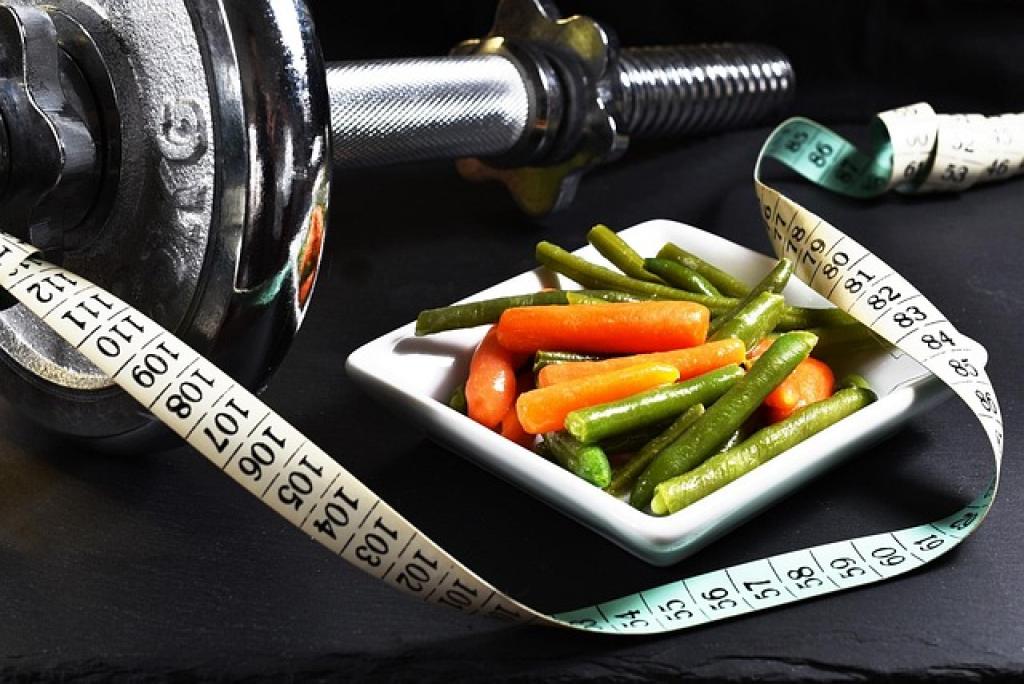
Reducing your calorie intake below these ranges can leave you feeling deprived and impact muscle, bone, and immune health. So going much lower isn’t recommended unless guided by a healthcare professional or dietitian familiar with your needs. Remember, the aim is to fuel your body—not just cut calories.
Finding Your Best Calorie Sources in Perimenopause
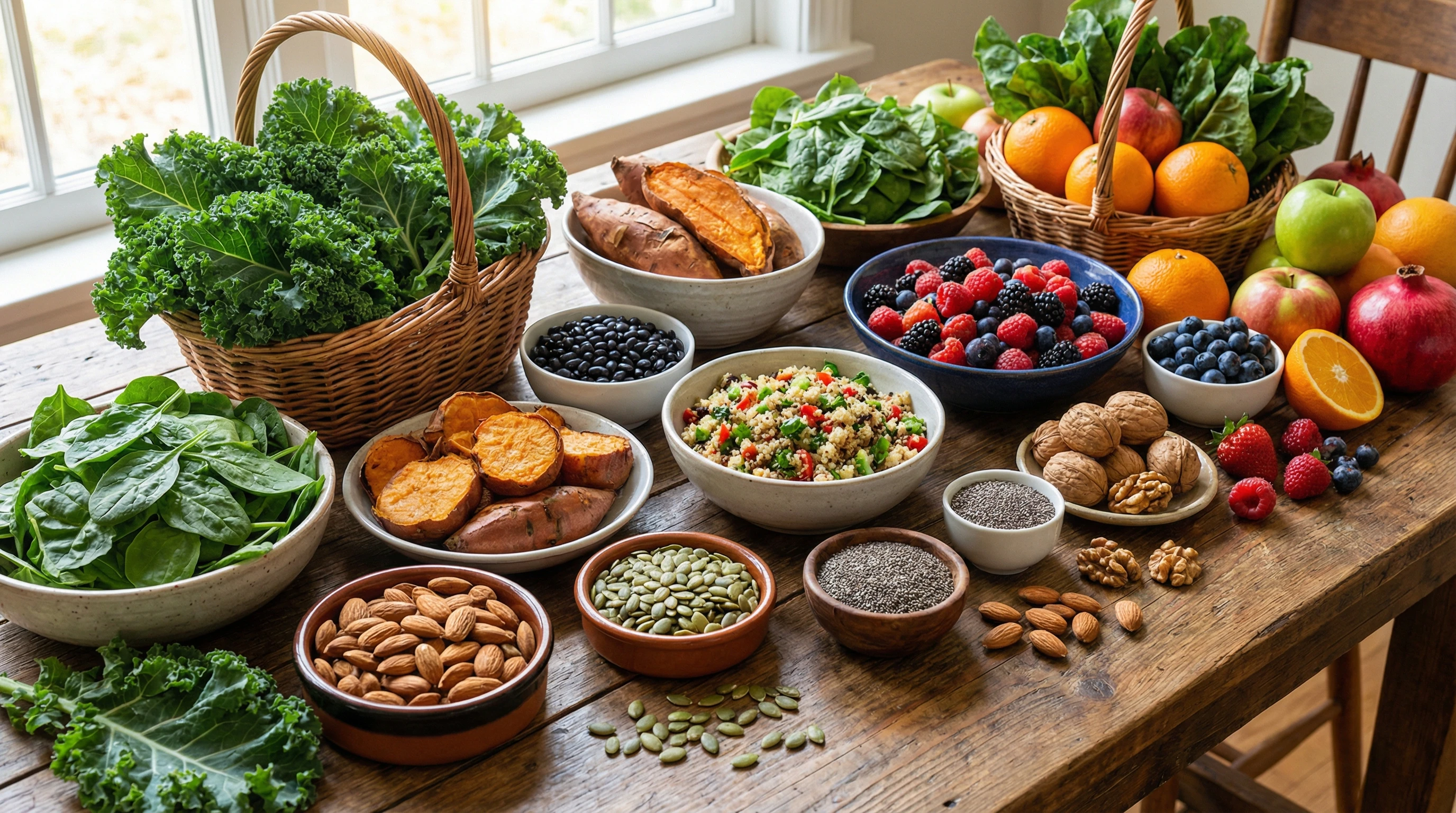
It’s tempting to focus only on calorie numbers, but the quality of those calories is just as important. A hundred calories from a doughnut isn’t the same as a hundred calories from a bowl of lentil soup. That’s because nutrientdense foods (think fruits, veggies, lean proteins, healthy fats, and whole grains) support better hormone balance and energy levels over time.
- Lean Proteins: Help support muscle mass. Think grilled chicken, tofu, beans, lentils, fish, and eggs. These help keep you fuller, which can help control appetite swings.
- Whole Grains: Offer fiber and steady energy. Try quinoa, brown rice, barley, or steel cut oats for meals that stick with you longer.
- Healthy Fats: Avocados, olive oil, nuts, seeds, and fatty fish are a super smart addin for hormones and heart health. These fats also promote satiety so you feel satisfied after meals.
- Fruits & Veggies: These give you antioxidants, fiber, and valuable vitamins to help battle inflammation and keep digestion running smoothly. Brightly colored produce is an easy way to load up on the nutrients your body needs now.
Prioritizing these foods makes your calories work harder to support your health goals during perimenopause. They also help support bones, brain health, and a more stable mood. Try building meals that combine lean protein, healthy fat, and lots of fiber to keep swings in energy and cravings at bay.
Practical Steps to Rebalance Calories: What Works Best
It’s easy to feel like you have to change everything at once, but small tweaks lead to more lasting results. Here’s how I approach it:
- Track for a Week: Write down everything you eat and drink, either in a notebook or with a nutrition app like MyFitnessPal or Cronometer. It’s often eyeopening and gives you a clear snapshot of your true calorie intake.
- Notice Patterns: Are you eating more late at night? Skipping breakfast? Craving sweets midafternoon? Knowing these trends lets you game plan for change.
- Start with Protein: Bumping up protein at breakfast (like eggs, Greek yogurt, or a plantbased protein smoothie) can curb cravings later in the day. It’s a small switch with a big impact.
- Swap Simple Carbs for Fiber: Swapping white bread or pasta for wholewheat or adding extra veggies to meals keeps you fuller and can help with digestion.
- Watch Your Portions: Using smaller plates and bowls is a simple way to keep your portions in check without feeling deprived. Slow down at meals and focus on your food to help your body recognize fullness cues.
Making a few of these changes at a time can feel more doable than trying to “diet.” Consistency is more important than perfection, especially when things in your life feel unpredictable. Checking in with a professional can be helpful if you feel stuck or want personal guidance.
Special Considerations: Exercise, Stress, and Sleep
Calories are only part of the picture. Exercise, stress, and sleep all interact with hormone balance and calorie burn during perimenopause.
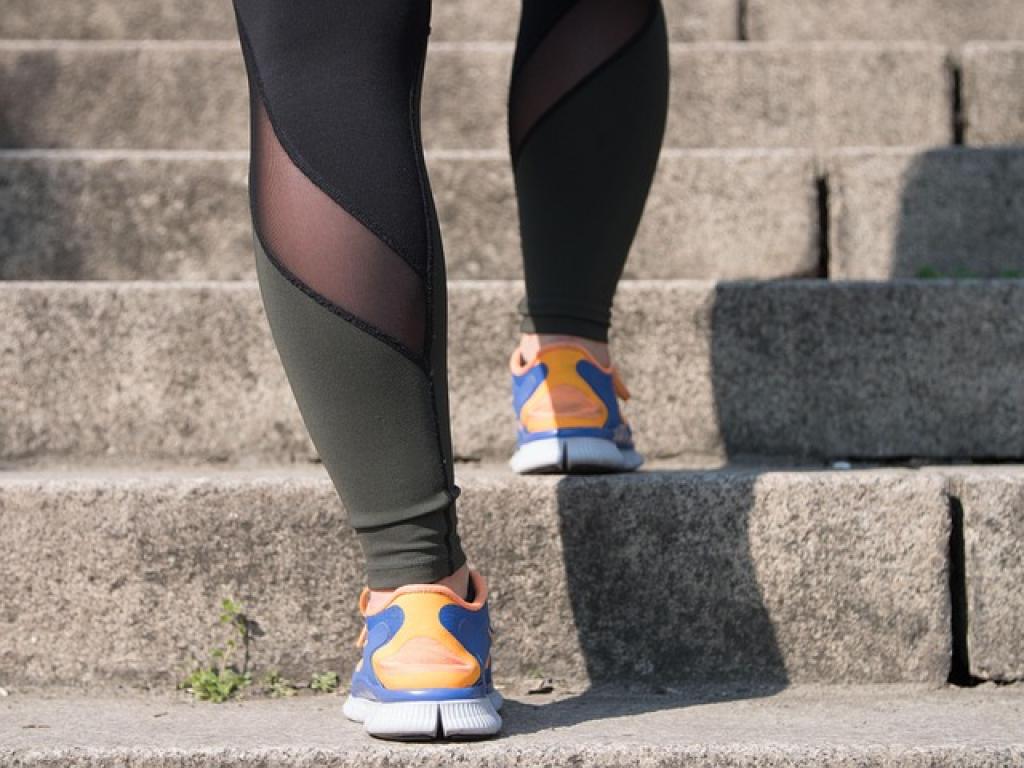
- Exercise: Mixing resistance training with some cardio is extra useful right now. Lifting weights—even light ones—helps protect your muscle mass and boosts metabolism. Walking, yoga, and swimming are also easy on your joints and easy to stick with longterm. Aim for a mix of strength work and steady movement throughout the week.
- Stress: High stress produces more cortisol, which can drive up cravings and encourage your body to hold onto fat, especially around the belly. Scheduling in breaks, getting outside, and practicing mindfulness can keep those cortisol levels in a good place.
- Sleep: Poor sleep can make you hungrier, mess with hormones like leptin and ghrelin, and slow weight loss efforts. Building a consistent bedtime routine and limiting screen time before bed can help with quality sleep. Even a small increase in nightly rest can have positive effects on weight management and overall well-being.
It’s important to take stress and sleep just as seriously as your diet and exercise. Spotting how all these areas are linked can help you make smarter choices and see better results overall.
Things I Wish I’d Known Earlier
When perimenopause symptoms first popped up for me, I tried cutting hundreds of calories to fight weight gain. Instead, I wound up tired, cranky, and not seeing the results I hoped for. What actually helped was boosting my protein, adding healthy fats, and resisting the urge to skip meals. I learned that eating regularly, even in smaller amounts, kept my energy and mood much steadier.
Another thing that made a difference: Being consistent with movement. It doesn’t have to be intense. Walking the dog and doing short YouTube strength sessions at home made me feel a lot more energized without feeling wiped out. Over time, paying attention to these small habits made a bigger impact than any drastic diet or exercise plan.
Frequently Asked Questions About Caloric Needs During Perimenopause
Question: Do I have to count calories all the time during perimenopause?
Answer: Not necessarily. Getting a general sense of your portions and food choices is usually enough. Tracking for a week or two a few times a year can also help you reset if needed. Listen to your hunger and satisfaction cues rather than sticking to strict numbers all the time.
Question: Why am I gaining weight even though I’m eating the same as before?
Answer: Hormonal changes, slower metabolism, and reduced muscle mass all play a role. Even small changes in activity or calorie intake can make a big difference as your body adjusts. Sometimes, your body needs a different approach at this stage than it did earlier.
Question: Should I follow a special diet for perimenopause?
Answer: There’s no magic diet, but highprotein, highfiber, and balanced meals usually feel best for energy and hormone balance. Fad diets or skipping meals tend to backfire and leave you frustrated. Aim for balance and variety.
Question: How important is exercise in managing calorie needs?
Answer: Movement is really important—not just for burning calories but also for boosting mood, protecting bones, and maintaining muscle. Even small bursts of activity can help and are easier to fit into your day than marathon sessions.
Looking Ahead: What Matters Most for Calories and Perimenopause
Adjusting caloric needs during perimenopause isn’t about strict restriction or totally changing how you eat overnight. It’s about noticing what your body needs, being open to small changes, and fueling yourself with a mix of protein, fiber, and healthy fats. Paying attention to your body’s signals, staying active, getting good sleep, and making little swaps in your regular meals can help you feel more in control as your hormones find their new normal. If you ever feel unsure, checking in with a dietitian or your healthcare provider can be really helpful for personalizing your approach and making sure you’re on the right path for your unique needs. Staying proactive and gentle with yourself will help you navigate this chapter with more confidence and comfort.