
As women approach their 40s and 50s, the journey through perimenopause begins—a transformative stage leading up to menopause, marked by changes both physical and emotional. Navigating this phase can be a rollercoaster of symptoms like hot flashes, mood swings, and fatigue.
While everyone experiences perimenopause differently, there’s no doubt that supporting your body with the right nutrients can make a significant difference. Vitamins and supplements tailored to this stage of life can aid in reducing the severity of symptoms, boost energy, and improve overall well-being.
In this post, we’ll explore some of the most effective vitamins that can help alleviate perimenopausal symptoms and support women’s health during this transitional period. Whether you’re already experiencing changes or just preparing for this new chapter, learning about these essential nutrients can empower you to take control of your health. Let’s dive in!
Understanding Perimenopause: What to Expect
Perimenopause, often referred to as the "menopausal transition," is the phase before menopause when a woman’s body begins to produce less estrogen. This transition typically starts in a woman’s 40s but can begin earlier.
During perimenopause, menstrual cycles may become irregular. Some months may bring heavier or lighter periods, while others might involve skipping altogether. This unpredictability is often one of the first signs of perimenopause.
Physical and Emotional Changes
Hormonal fluctuations can lead to persistent symptoms such as hot flashes and night sweats, making it difficult to sleep comfortably. Additionally, you may notice changes in mood, accompanied by feelings of irritability or sadness. These emotional changes can be linked to both hormonal shifts and disrupted sleep.
Vaginal dryness and changes in libido are also common concerns during this time, impacting sexual health and comfort.
Understanding these changes is crucial not only for managing symptoms but for preparing to embrace this new stage of life. By learning what to expect, you can better tailor your health strategies, including nutrition and lifestyle adjustments, to support your journey through perimenopause.
Key Nutrients Essential for Women’s Health During Perimenopause
Navigating perimenopause smoothly is significantly aided by the right nutrients. As hormonal changes occur, your body may have different nutritional needs compared to earlier years. Ensuring your diet includes these essential nutrients can help maintain balance and ease symptom discomfort.
Calcium and Vitamin D
Bone health becomes a top priority during perimenopause. As estrogen levels drop, bones can become weaker. Calcium, paired with Vitamin D, is crucial for maintaining bone density. Fortified foods, leafy greens, and supplements can be excellent sources.
Omega-3 Fatty Acids
These healthy fats are known for their anti-inflammatory properties and are beneficial for heart health, which is particularly important as cardiovascular risks increase during this stage. Foods like salmon, chia seeds, and walnuts are rich in omega-3s.
B-complex vitamins, especially B6 and B12, are vital for managing energy levels and mood. They support brain health and can reduce the frequency and severity of mood swings. B vitamins are prevalent in whole grains, legumes, and certain meats.
Finally, ensuring a balanced intake of magnesium can help with sleep issues and muscle cramps, providing an overall soothing effect. Incorporating nuts, seeds, and dark chocolate can bolster magnesium levels naturally.
Choosing the Right Supplements: A Comprehensive Guide
Selecting the best supplements for perimenopause can feel overwhelming given the numerous options available. However, with a little guidance, you can narrow down choices to suit your individual needs.
First and foremost, consult with a healthcare professional before starting any new supplement regimen. This ensures that the supplements you choose are safe and beneficial for your specific health profile.
When evaluating supplements, look for those specifically geared towards hormone balance and symptom relief. Formulas containing a blend of calcium, vitamin D, and magnesium can help bolster bone health and improve sleep patterns.
Products containing phytoestrogens, like soy isoflavones, can offer natural hormone regulation by mimicking estrogen. These may provide relief from hot flashes and other common symptoms.
For mood support, consider a supplement with B-complex vitamins or adaptogenic herbs like ashwagandha. These can help alleviate stress and support mental well-being during this period of transition.
Quality is crucial when selecting supplements. Opt for brands that have third-party testing to verify their purity and potency. Reading reviews and seeking products with transparent labeling can help ensure you are investing in a supplement that delivers as promised. Prioritize your health by choosing wisely, and your body will thank you.
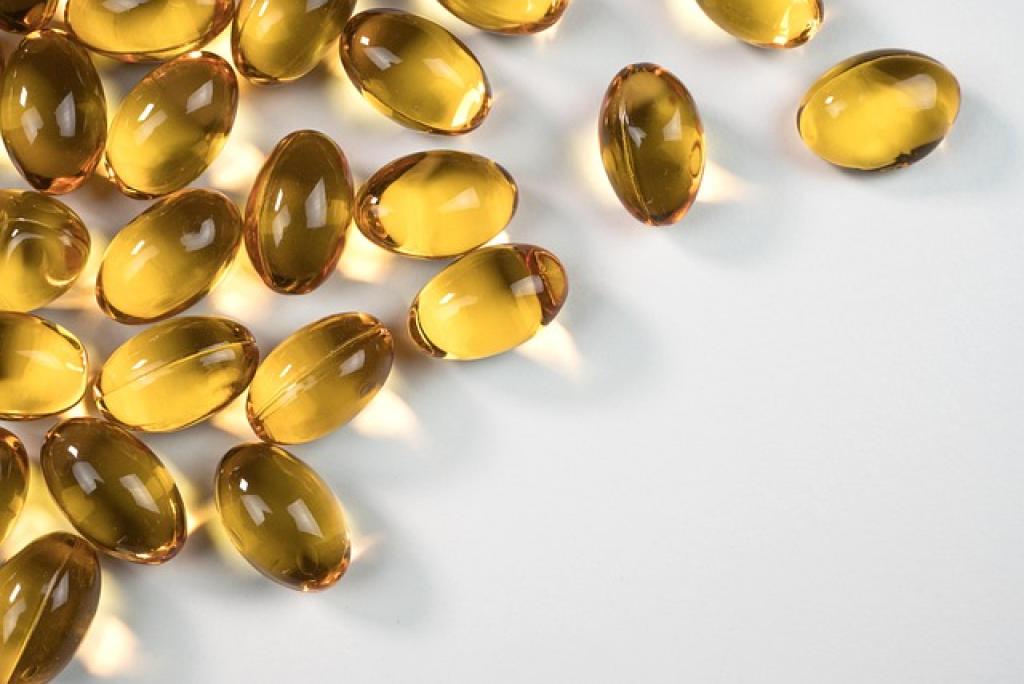
Top Vitamins and Minerals for Managing Perimenopause Symptoms
Navigating the challenges of perimenopause can be smoother with the right vitamins and minerals on your side. These nutritional powerhouses can help mitigate unpleasant symptoms and promote overall health.
Vitamin E is a great ally against hot flashes. As an antioxidant, it helps stabilize estrogen levels and can reduce the severity of hot flashes. You can find Vitamin E in nuts, seeds, and green leafy vegetables.
Iron deserves attention, especially if heavy periods are part of your perimenopause experience. Ensuring you have enough iron can prevent fatigue and support overall energy levels. Lean meats, legumes, and fortified cereals are excellent sources.
Magnesium is renowned for its calming properties, aiding sleep and reducing muscle tension. It can also help mitigate migraines, which some experience as hormones fluctuate.
Don’t overlook Vitamin C, which supports adrenal health and combats oxidative stress. It’s abundant in citrus fruits, strawberries, and broccoli.
Zinc plays a role in immune function and supports skin health, which can be affected during perimenopause. Including foods like beans, nuts, and whole grains can boost your zinc intake.
These vitamins and minerals, when incorporated into your daily routine, can significantly enhance your experience through this transition.
The Bottom Line: Best Practices for Incorporating Vitamins into Your Perimenopause Routine
Incorporating vitamins into your perimenopause routine can be a game-changer, but it’s important to approach this wisely. While these nutrients can greatly aid in managing symptoms, it’s essential to focus on balance and moderation.
Start by consulting with your healthcare provider to discuss your specific needs. They can help you determine which vitamins and minerals may be most beneficial for your symptoms and recommend appropriate dosage levels.
Once you have a plan, aim to include as many nutrient-rich whole foods in your diet as possible. Vitamins and minerals are often best absorbed by the body when they come from foods. Think leafy greens for calcium and vitamin K, nuts and seeds for magnesium and vitamin E, and fatty fish for omega-3s.
When supplementation is necessary, opt for high-quality products from reputable brands. Look for third-party certifications to ensure purity and avoid unnecessary fillers. Consistency is key, so make supplements a regular part of your daily routine, perhaps taking them with meals to maximize absorption.
Additionally, remember that vitamins are just one piece of the puzzle. A healthy lifestyle that includes regular exercise, adequate hydration, and stress management will complement your vitamin regimen and support your journey through perimenopause.
In sum, listen closely to your body and be patient with yourself as you adapt. With the right strategy, incorporating vitamins can make your transition through perimenopause not only manageable but also an opportunity to enhance your overall well-being.