
Trying to manage weight during perimenopause can feel tricky when hormones seem to change overnight, and the scale doesn’t budge as easily as it used to. For me, making tweaks to my everyday routine has made a real difference, and I’ve learned there are smarter, more sustainable ways to reach weight goals than what most “diets” suggest. This guide is all about practical steps and mindset shifts that help with weight loss during perimenopause, based on things I’ve tried, researched, and seen work for others.
How Perimenopause Affects Weight
Perimenopause is the transition period before menopause, lasting anywhere from a few years up to a decade. During this time, estrogen and progesterone levels swing up and down, which doesn’t just influence your energy and mood—it can also affect how your body stores fat and uses calories.
These hormone changes often make it easier to gain weight, especially around the belly, and harder to shed extra pounds. Plus, muscle mass tends to decline with age, which slows down metabolism. That’s why making intentional changes can go a long way toward managing weight during perimenopause and well beyond it.
If it feels like the things that worked in your thirties just don’t cut it anymore, you’re not imagining things. You can’t eat the same way once you enter perimenopause. It makes trying to lose weight, count calories and working out seem fruitless at time while your hormones are on a roller coaster. It can make those healthier choices even harder.
Food Habits That Help with Weight Loss
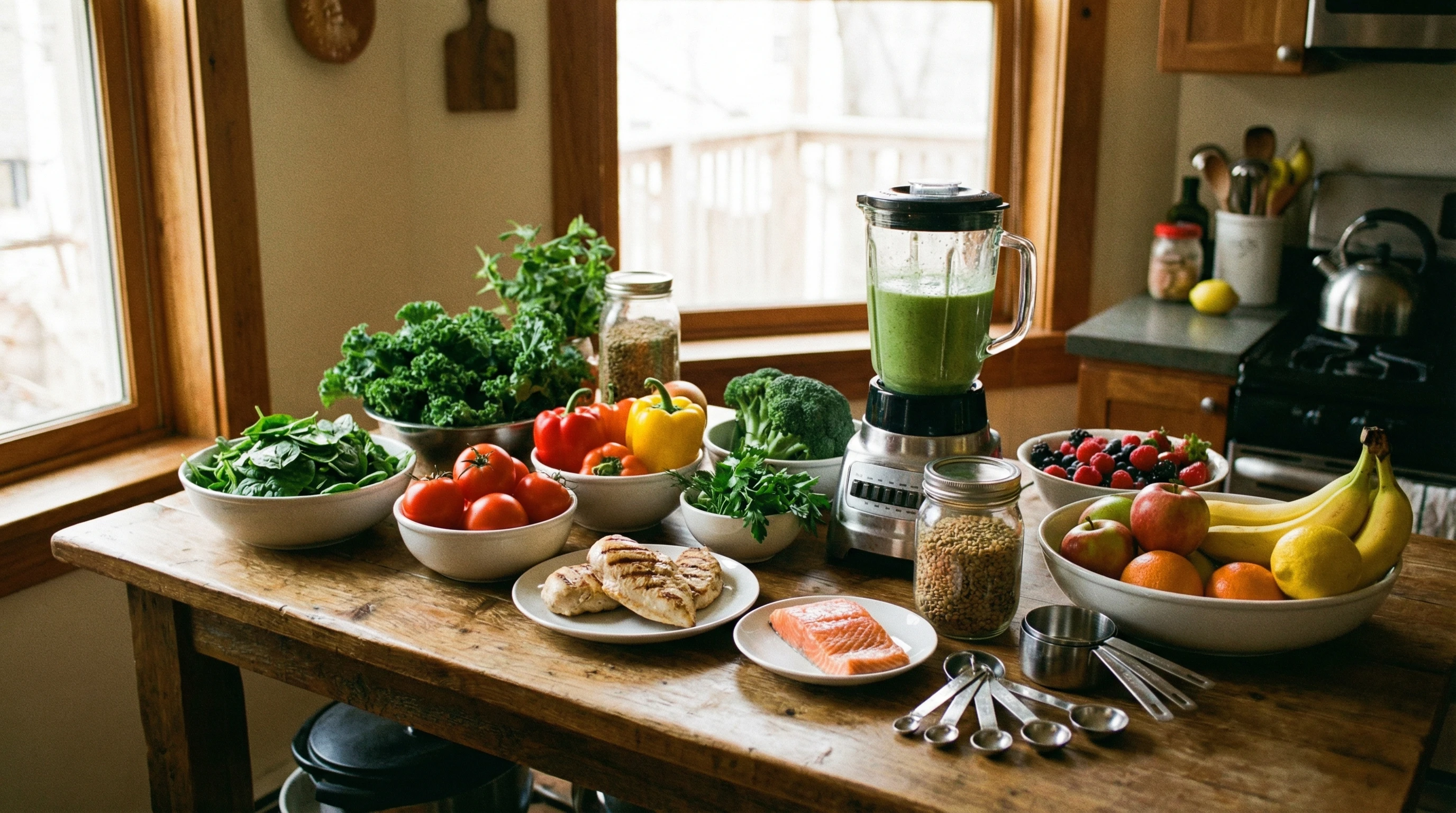
I’ve found that what I eat now makes a bigger impact than it did in the past. Here are the food habits that have helped me—and many others—see steady progress:
- Less Processed, More Fresh: Cutting back on processed foods and focusing on whole foods, like veggies, fruits, lean meats, beans, nuts, and seeds, keeps you fuller for longer and reduces sugar crashes.
- Higher Protein Intake: Protein has become my best friend. Not only does it support muscle maintenance, but it also helps tame cravings. I look for ways to boost my protein with every meal, making shakes, adding collagen to coffee, or trying different types of clear proteins.
- Cooking at Home: I started eating out less and experimenting with simple, tasty meals at home. This way, it’s easier to manage ingredients and avoid extra calories and sodium.
- Smart Carbs: Instead of cutting carbs completely, I focus on slow digesting carbs like oats, quinoa, and sweet potatoes, which offer energy without spiking blood sugar. I have even replaced my regular pasta with some of the higher protein options available at your grocery store.
- Hydration First: Drinking a glass of water before meals helps keep hunger in check and supports digestion. Herbal teas are also favorites of mine, especially in the afternoon.
If your looking for some fresh ideas check out these recipes.
Protein Rich Eating: What I Do (and Why It Works)
Getting enough protein turned out to be more important than I expected. Here’s what I focus on:
- Shakes and Smoothies: Quick, delicious, and you can throw in everything from spinach to chia seeds. I usually aim for at least 20g of protein in a shake. Oath Clear Protein is my favorite.
- Collagen in Coffee: This small change made my morning routine feel like self-care, and it’s an easy protein boost too. Ancient Nutrition Collagen powder also has protein and is flavorless. Can be added to a hot drink.
- Eggs, Greek Yogurt, Lean Meats: Swapping out high carb breakfast foods for higher protein options keeps me full longer.
Protein isn’t just about building muscle. It also helps reduce the muscle loss that’s common in perimenopause. More muscle means a slightly faster metabolism, which can really matter when your body is trying to hold onto extra weight.
Movement That Fits Real Life
Being active during perimenopause can sometimes feel like more work than before, especially with changes in energy and sleep. Here are some activity ideas that have made a difference for me:
- Strength Training: Lifting light weights or using bands a few times a week helps build and keep muscle. Even short, 10 minute routines at home add up over time.
- Walking: One of my go-to activities for clearing my head and getting steps in. Walking after meals is especially good for blood sugar and digestion.
- Stretching and Yoga: A little bit of stretching or some basic yoga can help unwind stress and keep your joints moving freely, which gets more important with age.
It’s less about hardcore workouts and more about finding ways to move throughout your week. Small daily habits count more than occasional big efforts. And mixing in some variety can help you stay motivated, too.
Troubleshooting Common Challenges
There’s a lot that can make weight management trickier in perimenopause, from slower metabolism to mood swings or sleep issues. Here’s how I tackle some of these common roadblocks:
- Sleeping Better: Poor sleep makes cravings worse and zaps motivation. I set a wind down routine each night—reading, herbal tea, and no screens an hour before bed.
- Managing Stress: Stress raises cortisol, which is linked with abdominal fat. Even five minutes of deep breathing or quiet “me time” helps keep stress from spiraling.
- Keeping Track (But Not Obsessing): I jot down meals and movement in a small notebook. Tracking helps me spot mindless snacking or patterns, but I keep it relaxed, and never guilt trip myself about it. Sometimes a calorie counting app can be helpful to really see how many calories are in your favorite foods and drinks. Here’s a great Calorie Counting Journal to get your started.
What To Watch for and Adjust Over Time
Perimenopause doesn’t last forever, but the habits I build now help me stay healthy through menopause and beyond. Here are a few things I keep in mind as I go:
- Body Changes Are Normal: Even with all the “right” habits, body shape may mix it up a bit. I remind myself that muscle definition and balanced energy are wins, even if the scale moves slowly.
- Listening to Hunger Signals: I pause and check in with my body before meals. Am I really hungry? Sometimes, thirst or boredom disguises itself as hunger.
- Swapping Out Triggers: If there’s a food or routine that keeps pulling me off track (hello, sour gummy worms), I look for alternatives that satisfy the same craving but in a healthier way. Dried mango or dried pineapple has become a go-to when I feel like a sweet treat.
FAQs About Weight Loss During Perimenopause
These are some of the most common questions I get, or have asked myself, along the way:
Why is it so hard to lose weight now, even if I’m eating less?
Answer: Hormonal shifts can slow your metabolism and change how your body reacts to food. Building muscle, adding protein, and being patient with small changes helps over time.
Do I need to cut out all carbs?
Answer: No need to ditch carbs completely. Focus on whole grains and fiber rich foods for lasting energy and fewer cravings.
How much protein should I aim for each day?
Answer: Most experts suggest about 20-30 grams per meal for women in this stage. I find adding protein at every meal (and with snacks if needed) works best for me.
Can supplements help?
Answer: Sometimes. I use collagen, probiotics, and magnesium glycinate after checking with my provider, but food sources always come first for me.
Smart Habits That Last
Steady, sustainable changes helped me see more progress than any trendy diet. Meal prepping on weekends, carrying a water bottle, and keeping some healthy freezer meals around all make it easier to stay on track. Trying new recipes, tracking protein, and checking in with a health professional if something’s not working are good ways to stay motivated.
Working through perimenopause has taught me that small, consistent changes matter more than perfection. There’s no single plan that works for everyone, but these strategies have helped me feel stronger, more energetic, and better in my body. If you’re struggling right now, remember that fresh foods, added protein, and realistic routines all make a big impact.
For more information on some new meals ideas check out The Mediterranean Diet. So many delicious ideas!
“Here’s a little transparency: Our website contains affiliate links. This means if you click and make a purchase, we may receive a small commission. Don’t worry, there’s no extra cost to you. It’s a simple way you can support our mission to bring you quality content.”

This is such a practical and encouraging guide for anyone navigating weight management during perimenopause. I really appreciate how you break down the hormonal changes that make weight loss more challenging, and then pair that with realistic, actionable steps. The emphasis on protein, fresh whole foods, and smart carbs is so helpful, especially combined with simple strategies like meal prepping and hydration. I also love your approach to movement—strength training, walking, and gentle yoga make exercise feel sustainable rather than overwhelming. Your tips on stress management, sleep, and tracking without guilt are especially relatable, because lifestyle changes are as much about mindset as nutrition. Overall, this post beautifully balances science, practicality, and encouragement. It reassures readers that small, consistent changes really do add up, helping perimenopausal women feel stronger, healthier, and more confident in their bodies.
Thank you for the kind words. It’s definitely a challenging time to navigate but movement helps and I’m hoping that the more simple I keep it the more I can sustain positive changes.
I appreciate how clearly you walk readers through losing weight during perimenopause — your tone feels supportive and reassuring rather than overwhelming, which is exactly what someone in that stage needs. I’m curious: what’s one strategy you’ve seen make the biggest difference for real women in perimenopause (and how long did it take to notice results)? — sharing that could really spark comments and help others relate. Overall, it’s a compassionate, informative guide that makes a tough topic feel much more doable!
I started going to the gym regularly, got started on hormones and found some supplements that help me feel more like myself and with better sleep my energy improved. Everyone is different so you have to make changes overtime and see how you feel.
Now that I’m in my 50s, I’ve noticed it’s much harder to lose weight compared to my younger years, even when it feels like I’m eating less or exercising more. Your explanation of how perimenopause affects metabolism and muscle loss makes a lot of sense, which helps me feel less frustrated about the changes I’m experiencing. I especially appreciate your emphasis on protein and strength training; those are areas I’ve been trying to improve, and it’s encouraging to learn how much of a difference they can make.
When you started making these adjustments, did you notice changes in your energy levels first or in actual weight loss? Personally, I’d love to feel stronger and more energetic, even if the scale moves slowly.